

What are the Differences Between Lab Grown vs Natural Diamonds?
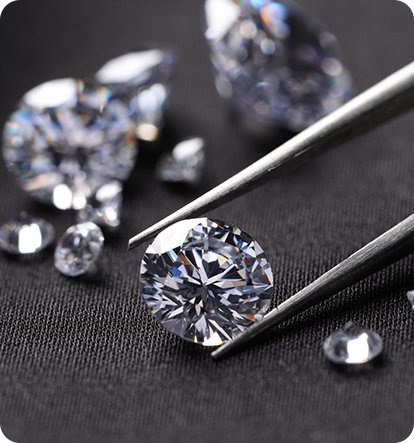
Lab grown and natural diamonds have the same chemical component, just the method and time involved differ. It can be produced in abundance in the shortest time whereas natural diamond would take billions of years to form and then mined.
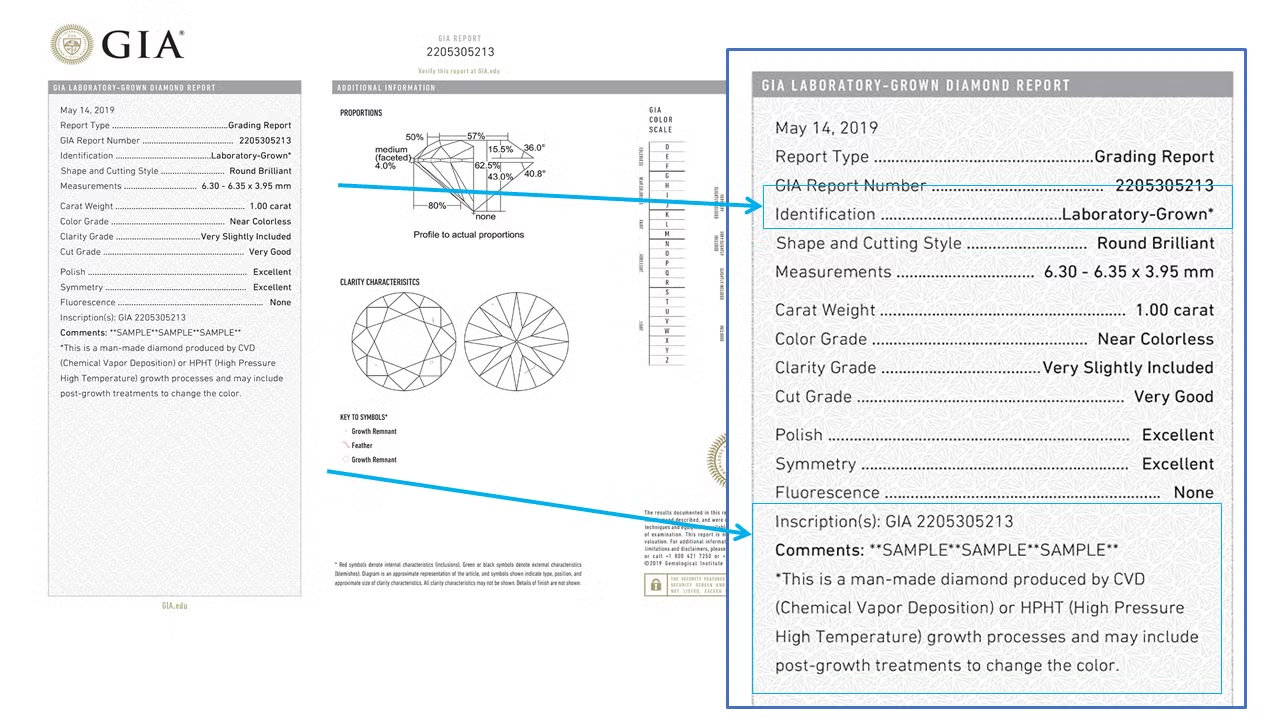
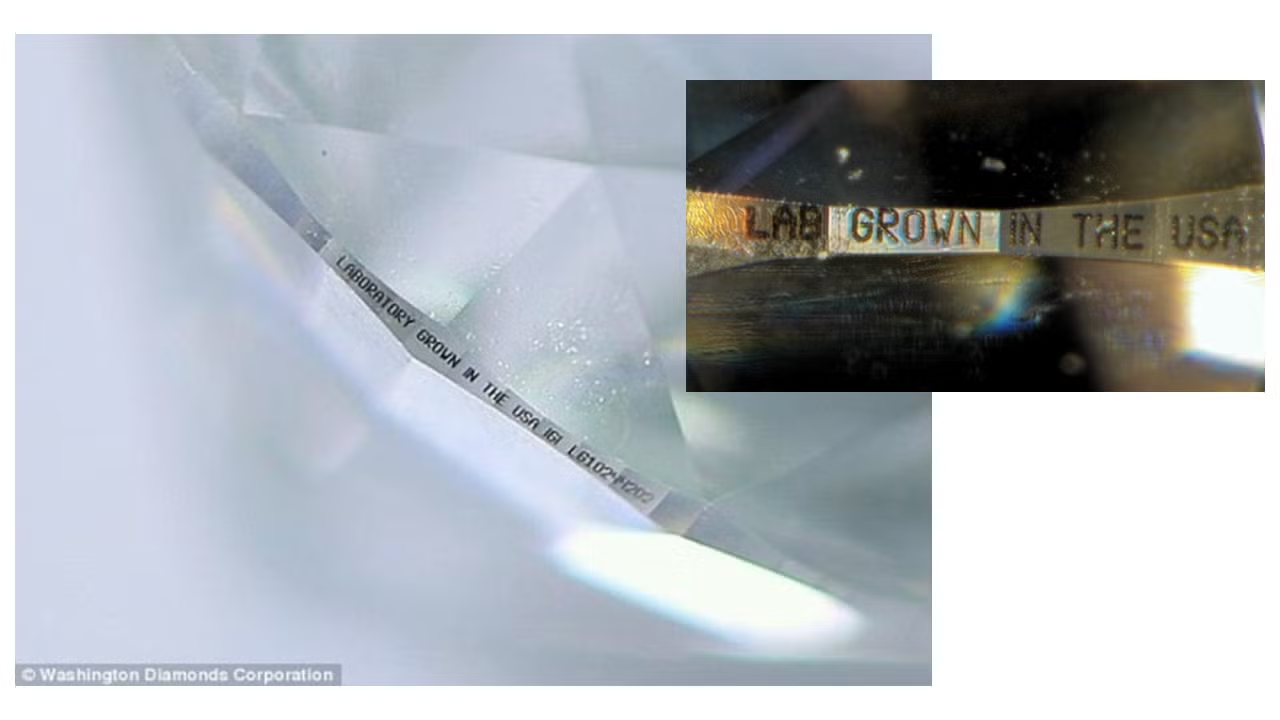
Any lab grown diamonds assessed by GIA will have a certificate to certify that it is a lab grown/ man made diamond with type of processes. Lab grown diamonds will also have their own set of laser inscription on their girdle as shown on image below:
Are Lab Diamonds flawless?
As Lab Diamonds have the same component as natural diamonds, so it is natural to have the same types of inclusions. Certain Lab Diamonds have certain inclusions that natural diamonds do not have. Some lab diamonds also show reflections of their black certification number.
Values
Lab-Created Diamonds
Lab-grown in a matter of weeks
Constructed of carbon atoms structures
Abundant in supply
20–30% Cheaper; lower resale value
Available in a range of shapes and carat weight
Somewhat popular for engagement rings
Real Diamonds
Formed under the earth’s crust over billions of years
Constructed of carbon atoms structures
One-of-a-kind
Higher resale value with market recognition
Available in a range of shapes and carat weight
More meaningful engagement rings as it has endured the test of time
Ethical issue
Producing lab grown diamonds do not support jobs for third world countries where economy is already in distress as demands for natural diamond lessens. As natural diamonds go through the Kimberley Process* and Singapore has been a participant since 2004, the flow of conflict diamonds has been disrupted, protecting legitimate trade in rough diamonds.
Being Eco-Friendly
Lab Grown diamonds are also widely portrayed to be eco-friendly. However, analysis report has shown that electricity consumed and carbon dioxide released during the process outweighs natural mining. Greenhouse gas emissions produced mining natural diamonds is 3 times less than lab grown diamond.
Sustainability
Lab-Created Diamonds
Supports capitalism
More energy required to generate plasma heat
Real Diamonds
Provide jobs in 3rd world country
Uses less energy
Singapore is a participant of Kimberley Process
The diamond industry has been overhauled in the last 20 years in response to many challenges that it has faced. It has evolved into a more transparent and ethical industry that has far more scrutiny applied to it than ever before. It is dominated at several levels by large corporations with strict requirements around employment and environmental standards.
The structure of synthetic diamonds and natural diamonds might be the same, but the remarkable beauty and character of a natural diamond are the fact that it was formed billions of years ago.
In the end, it is more than just a gemstone, it is the incredible journey a diamond had to go through before reaching your ring finger.
*An international certification scheme that regulates trade in rough diamonds. It aims to prevent the flow of conflict diamonds, while helping to protect legitimate trade in rough diamonds. The Kimberley Process Certification Scheme (KPCS) outlines the rules that govern the trade in rough diamonds.
